CO-DESIGNING THE FUTURE OF THE KAZÁN ENERGY COMMUNITY
Insights from the April Workshop
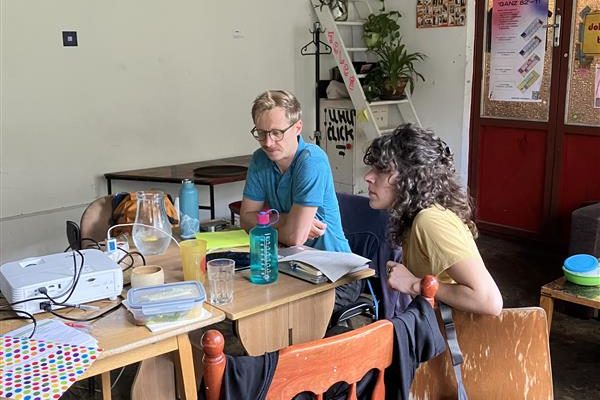
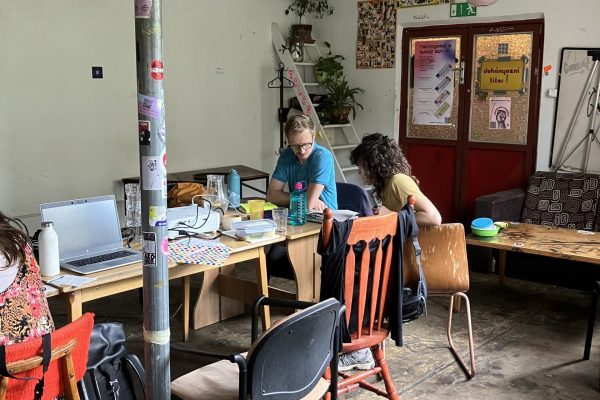
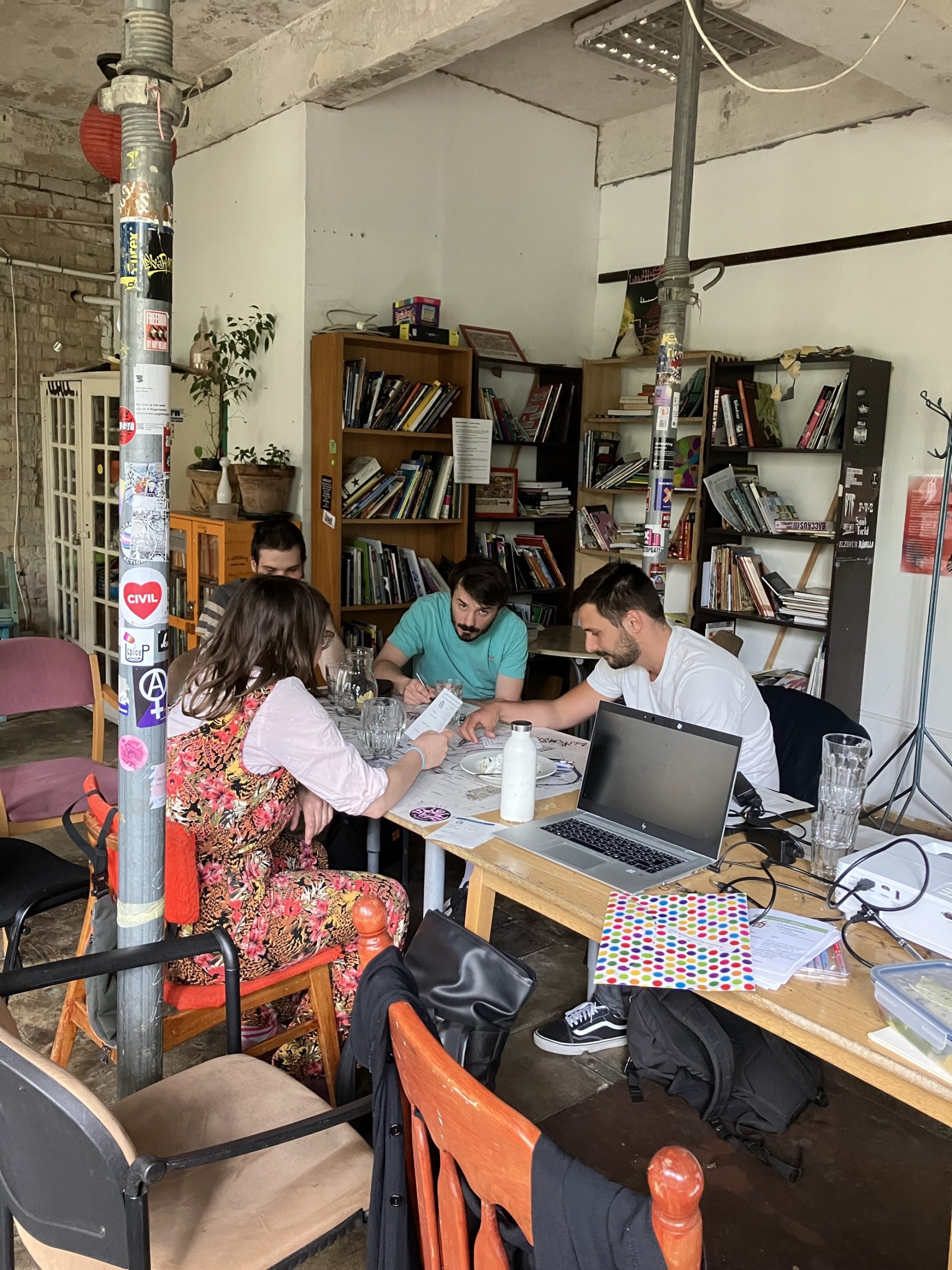
On April 25, the Kazán Energy Community hosted a dynamic co-design workshop aimed at shaping the future of both technical and social interventions within the community.
The workshop was organized by ABUD and the Solidarity Economy Center (SEC), and brought together key members of the Kazán Energy Community to collaboratively explore strategies for sustainable development and energy transformation. Besides, an observer from the Municipality of Budapest was present on behalf of the Megyeri pilot case. The workshop was held as part of the Energy4All research project, exploring the role of communities and the human dimension in designing and implementing Positive Energy Districts (PEDs) and Energy Communities (ECs).
Understanding Priorities through Co-Design
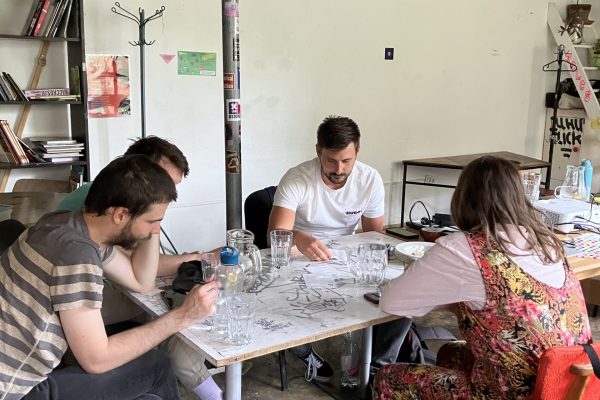
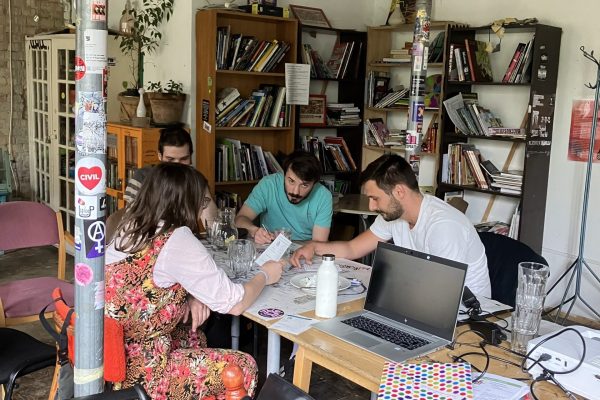
The workshop’s central objective was to identify and prioritize possible interventions that could support decreasing the energy needs of the Kazán Energy Community. Participants worked together and in small groups to discuss the key technical and social challenges and opportunities within the building, using site floor plans to localize problems and applying tools such as intervention cards and scenario planning canvases for structured brainstorming.
Through exercises like drawing a “problem map” and ranking intervention options, participants were encouraged to think holistically, integrating physical upgrades like façade improvements or HVAC retrofitting with behavioral and organizational changes, such as guidelines for building use or community engagement strategies.
Key Outcome: Community-Centered Intervention Scenarios
The most significant outcome of the session was a discussion on priorities and different perspectives articulated by the community members. These insights form the basis of several co-created intervention scenario ideas, structured according to varying budget levels—from minimal investment to expansive redevelopment potentially supported by public funding. Participants considered synergies, prerequisites, and potential trade-offs, ensuring that the interventions are both feasible and impactful.
Based on the collected inputs, ABUD will finalize the scenarios: each scenario will blend technical measures (such as insulation or heating system upgrades) with social actions (like fostering energy-conscious behavior or revising space usage norms).
From Ideas to Impact: Simulation through ABUD Models
Moving forward, the final intervention scenarios will be assessed using ABUD’s advanced simulation tools: the energy model and the agent-based model. These tools will help compare the effectiveness and sustainability of each scenario, supporting evidence-based decision-making for implementation.
By combining community knowledge with technical analysis, the Kazán Energy Community is setting a powerful example of participatory transformation—one where local voices guide the path toward resilient and inclusive energy solutions.