LCA 4: LIFE-CYCLE ASSESSMENT OF CONSTRUCTION AT MATERIAL SCALE
Article originally published on Építészfórum in Hungarian, 29th of July, 2025
In the building industry’s ongoing transition towards low-carbon practices, life-cycle thinking has become indispensable. In this series, we have already explored the broader implications of life cycle assessment (LCA) in the design, construction and demolition phases. Now, we will focus on the material scale, where some of the most significant environmental decisions are made. Just three conventional construction materials — concrete, steel and aluminium — account for around 23% of global carbon emissions. If current practices do not change, embodied emissions could account for up to 90% of all carbon emissions from new buildings by 2050. These figures highlight the urgent need to address the environmental impact of materials, which is why they deserve a dedicated focus in this series.
The environmental impact of building materials is not just a technical detail; it is a strategic consideration for all stakeholders involved in the supply chain. For manufacturers, it defines the environmental profile of their products and opens up avenues for innovation. For architects, designers, and engineers, it informs decisions about which materials to use and specify, which have a significant impact on a project’s overall carbon footprint. For developers and investors, material-related emissions are increasingly tied to financial performance, market positioning, and compliance with emerging sustainability frameworks. Reducing environmental impact also requires a collaborative approach between stakeholders. For example, architects and structural engineers play a pivotal role in selecting structural systems, and material manufacturers can support this process by providing materials that meet structural performance requirements while minimising environmental impact.
Scrutiny of material carbon footprints is intensifying, as regulations and reporting requirements become more rigorous. The pressure is both regulatory and reputational, from the EU Taxonomy mandating Global Warming Potential (GWP) metrics and ESG reporting frameworks demanding verifiable carbon KPIs, to green building certifications (LEED, BREEAM) awarding credits for low-impact products. Companies that proactively address material-related emissions gain more than just environmental credibility, also gain access to green financing, enhance their appeal to investors who are concerned about sustainability, and strengthen their competitive edge in a rapidly evolving market.
This fourth article in our series on LCA explores why materials deserve dedicated attention within the LCA framework, and how the decisions made at this level have far-reaching consequences, beyond the construction site.
Carbon Intensity of Construction Materials
The environmental impact of materials is divided into several impact categories. These categories group various emissions and environmental effects into quantifiable metrics representing their environmental impact. One of the most critical of these categories is the climate change impact category, which is expressed in kilograms of CO₂ equivalents (kg CO₂e). This category is often referred to as a product’s ‘carbon footprint’, with a higher value indicating a greater global warming potential. Other impact categories include ozone depletion potential, acidification, eutrophication, and resource use.
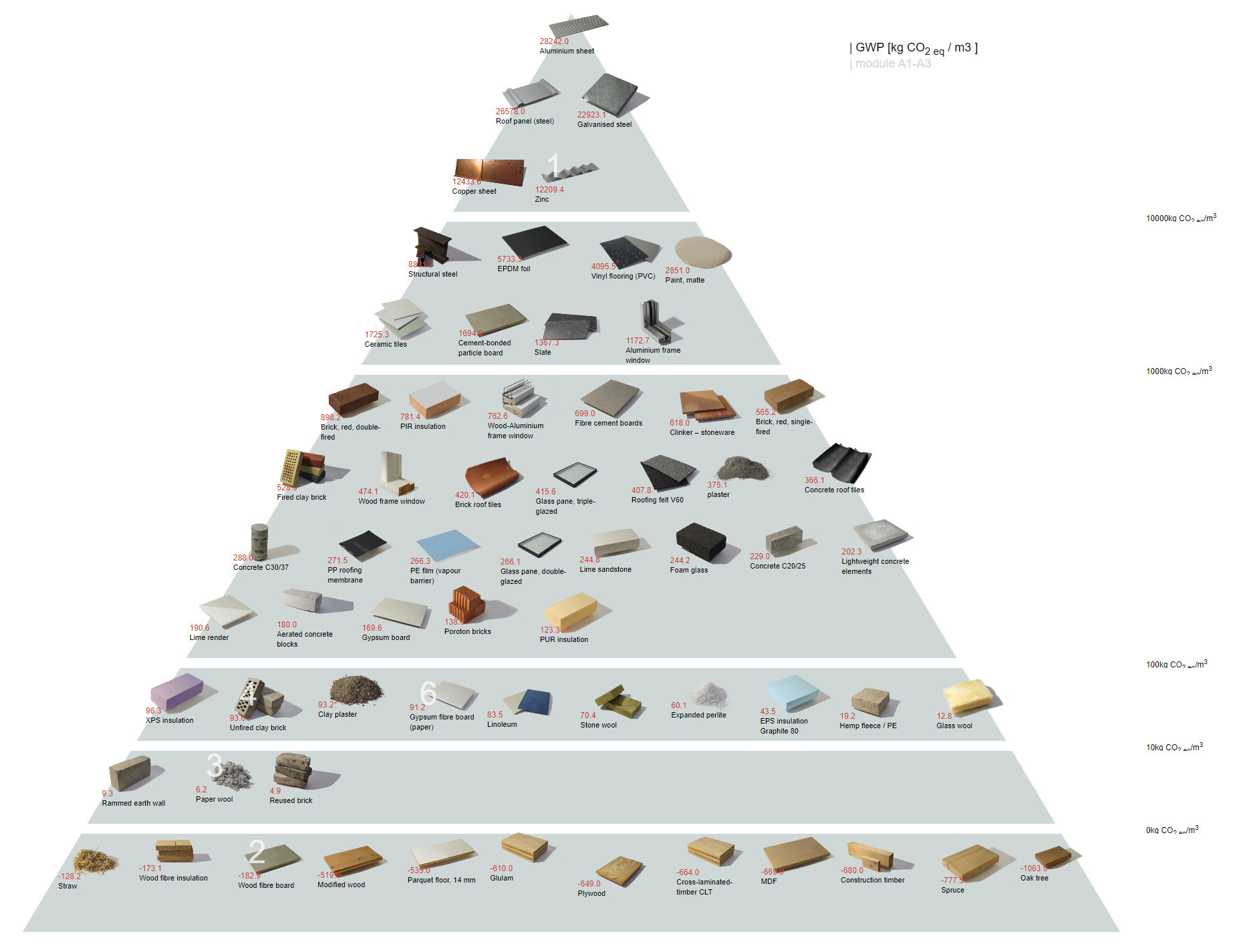
Figure 1: Environmental impact categories
The environmental impact of building materials is influenced by their origin, the processing technologies involved in their production, and their ability to remain in the system by applying circular economy principles. Bio-based and renewable materials are generally considered to have a low environmental impact due to their regenerative nature and their ability to store biogenic carbon. Although recycled materials also offer environmental benefits by reducing the demand for virgin resources, although their processing still requires energy. By contrast, materials extracted from primary raw sources and subjected to energy-intensive manufacturing processes tend to have a significantly higher environmental impact.
Most Contributing Materials
The Royal Danish Academy – Institute of Architecture and Technology has developed an online tool called The Construction Materials Pyramid. This interactive tool ranks construction materials according to their environmental impact and presents them in the form of a visual pyramid. It is particularly valuable in the early stages of design, when selecting lower-impact materials can have a significant impact on a project’s overall sustainability. For example, as discussed in a previous article, the structural optimisation of the E-Co-Housing project demonstrates the potential for reducing embodied carbon through the selection of structural materials.
Metals are typically at the top of the materials impact hierarchy and are among the most environmentally burdensome construction materials. Steel is one of the most widely used structural materials, and structural systems can account for up to 80% of a building’s embodied carbon. Therefore, there is a clear need to explore more sustainable structural alternatives. In addition to metals, cement-based materials also contribute significantly to embodied emissions.
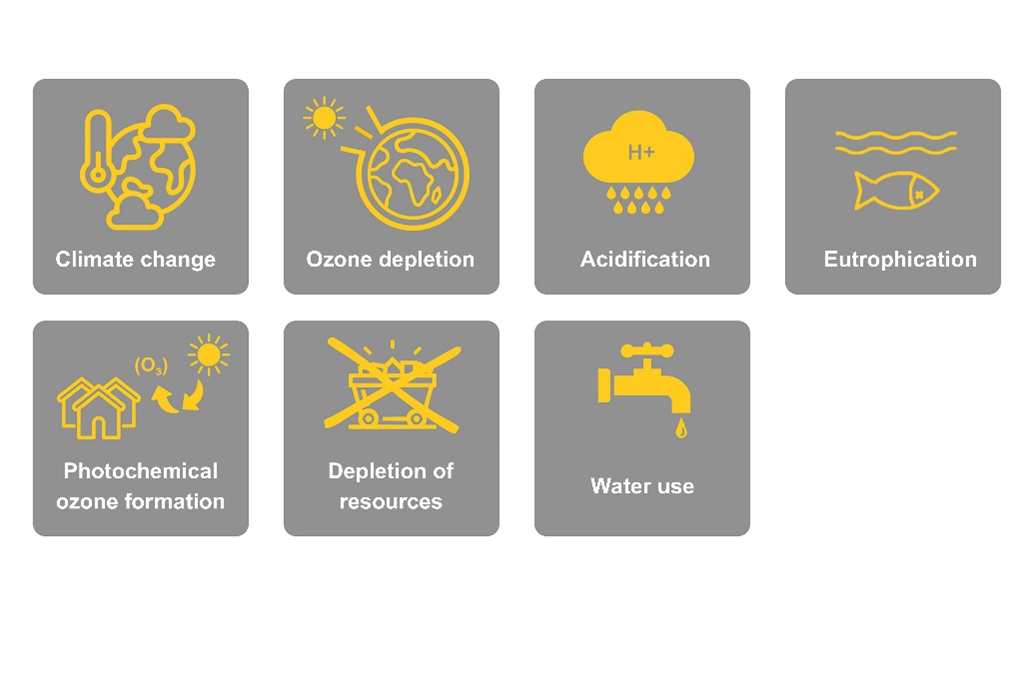
Figure 2: Royal Danish Academy: The Construction Materials Pyramid
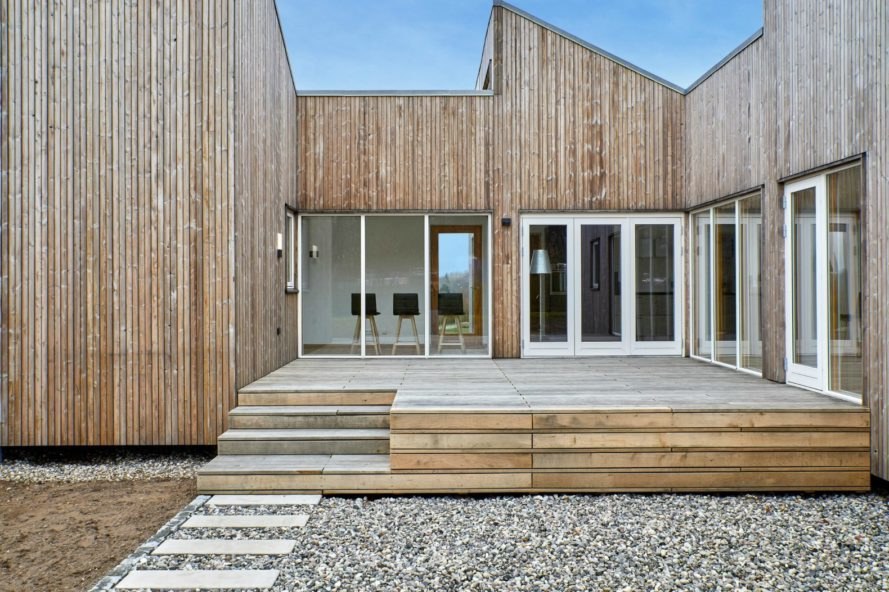
Figure 3: “Biological house” in Denmark, where designers converted agricultural waste into raw materials. Source © The World’s First “Biological House” Opens in Denmark, n.d.
Strategies for Reducing the Carbon Footprint of Construction Materials
A holistic, lifecycle-based approach is required to reduce the carbon footprint of construction materials. Every stage of a material’s life, from production and use to disposal or ‘end-of-life’ contributes to its overall environmental impact. Therefore, carbon reduction strategies must be based on multi-criteria decision-making and be tailored to the specific application and building context. It is important to note that there is no single material that has the lowest impact in every situation. Instead, decisions should be informed by performance requirements, regional availability, and life cycle impacts. A range of carbon reduction strategies can be applied to support informed decision-making.
As illustrated in the figure below, choosing low-carbon concrete can significantly reduce embodied carbon. This is primarily achieved by reducing the amount of cement in concrete mixes, since cement contributes significantly to concrete’s carbon footprint and is a major cost driver. One of the most widely adopted strategies is the use of supplementary cementitious materials, which replace some of the cement in the mix. These materials are often industrial or agricultural by-products, such as fly ash from coal-fired power plants or ground granulated blast furnace slag from steel production.
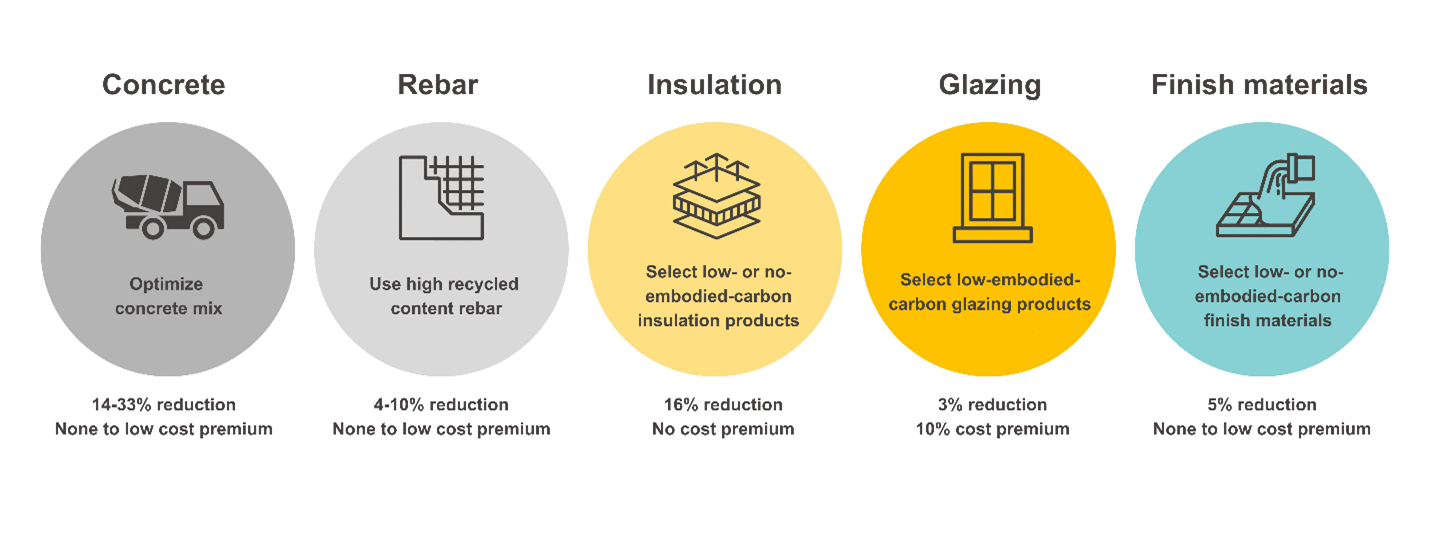
Figure 4: Main categories for reducing embodied carbon in a building (Matt et al., 2021)
Bio-based materials
Bio-based materials, such as timber, hemp and straw, are positioned at the lower end of the impact spectrum. They have been adopted increasingly for both structural and non-structural applications, offering a more sustainable approach to construction thanks to their renewable nature and carbon storage potential.
Bio-based materials are derived wholly or partially from biological sources, such as plants. Increasing the use of bio-based materials is one of the key strategies for lowering embodied carbon, and these materials can be applied across different building elements:
- For structure: materials such as timber, bamboo, and hemp bricks offer strong load-bearing capabilities with lower embodied emissions.
- For insulation, bio-based options such as hemp fibre batts, hempcrete, straw panels, and boards can replace synthetic insulation with more sustainable alternatives.
- For lining: hemp boards, compressed straw boards and wood wool boards provide natural alternatives for interior finishes.
- For the envelope: external cladding solutions such as timber cladding, reed, and hemp fibre cladding can significantly reduce the environmental footprint of façades.
By incorporating these materials strategically and considering their performance throughout the entire life cycle, designers and stakeholders can meaningfully reduce the carbon footprint of construction projects (Arup, 2024).
Exploring the Potential of Building Insulation: The BIO4EEB Project
The European building insulation market is expected to grow by over 3% between 2021 and 2028. One of the key ways to reduce emissions and increase sustainability in this sector is to use bio-based insulation more widely. The BIO4EEB project addresses this issue by developing and demonstrating bio-based insulation materials through demo cases, helping to bridge the growing gap between rising demand and limited production capacity. By promoting the use of certified bio-based alternatives, the project provides the building industry with scalable, low-carbon solutions.
The project’s portfolio of bio-based insulation solutions includes:
• Posidonia fibre panels
• Complex polyelectrolytes
• Bio-based polyurethane (PUR) for sprayable insulation
• Bio-based polyurethane (PUR) window frames
• PLA foam
• Façade module with BIO4EEB materials
The BIO4EEB products will used in five real-life demonstration projects in the Czech Republic, France, Germany, Lithuania and Spain, and three virtual demonstration cases in Belgium, Hungary and Italy, to showcase their potential for replication in different environments. ABUD contributes to the project by leading the virtual demonstrations through energy and comfort simulations, as well as co-developing the decision support platform. In terms of impact reduction assessment, ABUD plays a key role in evaluating the circularity and environmental performance of BIO4EEB products through LCA, focusing on the use and construction phases.

Figure 5: Photograph of Posidonia fibers and panels taken during the 5th General Assembly of the BIO4EEB project © Sophia High Tech
Circularity Considerations
At a material level, the circular economy is defined as the continuous circulation of materials throughout the economy, achieved by extending their useful life across various applications and sectors. The aim is to minimise waste and reduce the extraction of virgin resources, thereby contributing to environmental sustainability and resource conservation. In the construction sector, this means considering materials not only within the lifecycle of a single building, but across the entire building stock and even beyond the sector itself. Cascading use, for example, involves reusing materials multiple times at different quality levels, enabling resources such as metals or concrete to be repurposed. Steel from demolished buildings, for instance, could be used in infrastructure projects in other regions, while concrete debris could be used in road construction.
Availability of Material Data
Reliable data and standardised calculation methods are essential for ensuring that the environmental impact of two similar construction materials can be compared. An Environmental Product Declaration (EPD) is a type of environmental label that quantifies a product’s or service’s environmental impact based on life cycle assessment (LCA). In Europe, the relevant standard for construction products is EN 15804, which defines the core rules for developing EPDs specific to the built environment. EPDs can be conducted by experts in life cycle assessment (LCA) and the carbon footprint of a product (CFP). These may be third-party certified by EPD programme operators and also registered in official databases.
There are several well-established international EPD databases that serve as valuable resources for quickly assessing the environmental impact of construction materials and products. These include: ÖKOBAUDAT, INIES, EPD Norge, and EC3.
Although there is growing interest in EPDs in Hungary, with many producers publishing them on their websites, a centralised, coherent national database is lacking. This hinders widespread adoption and transparency, highlighting the need for better coordination and accessibility of EPD data at a national level.
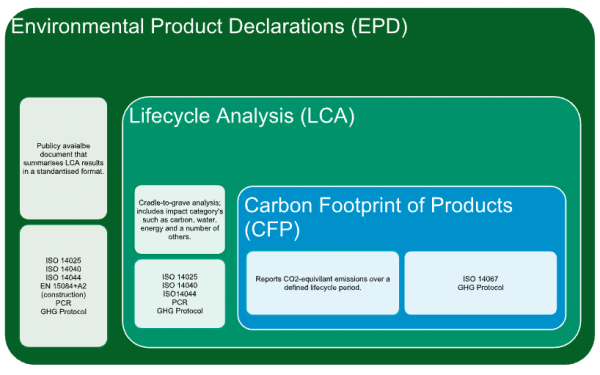
Figure 6: Understanding the differences between LCAs, CFPs, and EPDs. Image: Eboss
Current and upcoming regulations
The regulatory landscape in the European Union is shifting rapidly towards the mandatory consideration of life cycle impacts in the construction industry. The recast of the EPBD covers building scale considerations, as detailed in the first article in the series.
Beyond the EPBD, several other EU policies incorporate life cycle assessment (LCA) as a core requirement. The revised Construction Products Regulation (CPR) will require Environmental Product Declarations (EPDs) for construction materials to ensure transparency regarding their environmental impact. At the national level, Hungary is implementing the National Building Economy Register, based on the 2023 Act on Hungarian Architecture. This includes a Building Product Database which centralises performance declarations and promotes the reuse and recycling of building materials by providing accessible data on reclaimed products and processing facilities. Taken together, these regulations send a clear message that integrating LCA systems thinking, comparable EPDs and embodied carbon calculations, and choosing products with a lower carbon or overall environmental footprint is no longer optional, but fundamental to future-proofing design, construction and investment decisions in the built environment.
Authors
Dr. Amina Dacic PhD
Research Associate, ABUD – Advanced Building & Urban Design
MSc in Civil Engineering, specializing in Structural Engineering (BME, Budapest,Hungary)
BSc in Civil Engineering (Yeditepe University, Turkey)
Szilvia Bősze
Managing Director, Partner, ASPA – Advanced Sustainability Performance Advisors
Agroecology and Sustainable Agriculture (SZIE, Budapest, Hungary)
Accredited ESG Consultant (TTAN-88-2024)
Melinda Orova
Senior Consultant, ABUD – Advanced Building & Urban Design
Master of Architecture (BME, Budapest, Hungary)
Master of Urban and Facility Energy (PTE, Pécs, Hungary)
LEED Accredited Professional BD+C
Sources
Arup. (2024). City Handbook for Carbon Neutral Buildings. https://carbonneutralcities.org/wp-content/uploads/2024/03/CNCA-Technical-Handbook-for-Carbon-Neutral-Buildings.pdf
CEN. (2020). MSZ EN 15804: 2012+A2: 2020 Építmények fenntarthatósága. Környezetvédelmi terméknyilatkozat. Építési termékek kategóriáját meghatározó szabályok.
Eboss. 24 February 2025. „Quantifying Sustainability: The Role of Life Cycle Assessments, Carbon Footprints and EPDs” https://www.eboss.co.nz/detailed/sustainability-and-carbon/quantifying-sustainability-role-life-cycle-assessments-carbon-footprints-epd
Environmental Product Declaration. (n.d.). Retrieved June 15, 2025, from https://bregroup.com/services/standards/environmental/en-15804-environmental-product-declaration-epd
EPD International. (n.d.). Retrieved June 16, 2025, from https://www.environdec.com/home
Home – Eco Platform en. (n.d.). Retrieved June 16, 2025, from https://www.eco-platform.org/home.html
Matt, R. E., Victor, J., Rempher, O. A., Jungclaus, M., Esau, R., Olgyay, V., & Rempher, A. (2021). Reducing Embodied Carbon in Buildings Low-Cost, High-Value Opportunities Contacts Copyrights and Citation.
Schaubroeck, S., Dewil, R., & Allacker, K. (2022). Circularity and LCA – Material pathways: Cascade potential and cascade environmental impact of an in-use building product. In IOP Conference Series: Earth and Environmental Science (Vol. 1122, Issue 1). Institute of Physics. https://doi.org/10.1088/1755-1315/1122/1/012068
The world’s first “Biological House” opens in Denmark. (n.d.). Retrieved June 14, 2025. https://inhabitat.com/the-worlds-first-biological-house-opens-in-denmark/?__cf_chl_tk=XHsOxNXTQH5vhc7ZzpcTjjcjkyHUkBA28ZR9wu730Hg-1749900072-1.0.1.1-Jrn1hyw1XTM9f4p73LQSC6hzPh5VhhoJelfJcqS_5Xc