
CoolLIFE – Project Results

CoolLIFE is a 36-month EU LIFE Clean Energy Transition project tackling the fast-growing demand for space cooling in Europe. It developed two open-source digital platforms — the CoolLIFE Tool and the Knowledge Hub — to help planners and policymakers map, model, and plan sustainable cooling strategies at scales from local to EU level.

The project integrates climate, technology, behavior, policy, and economic data to support evidence-based decisions, with a strong focus on passive, nature-based, and user-driven solutions. Case studies in Dublin, Bolzano, Naples, and Austria validated the approach and informed policy and financing recommendations for a resilient, equitable cooling transition.

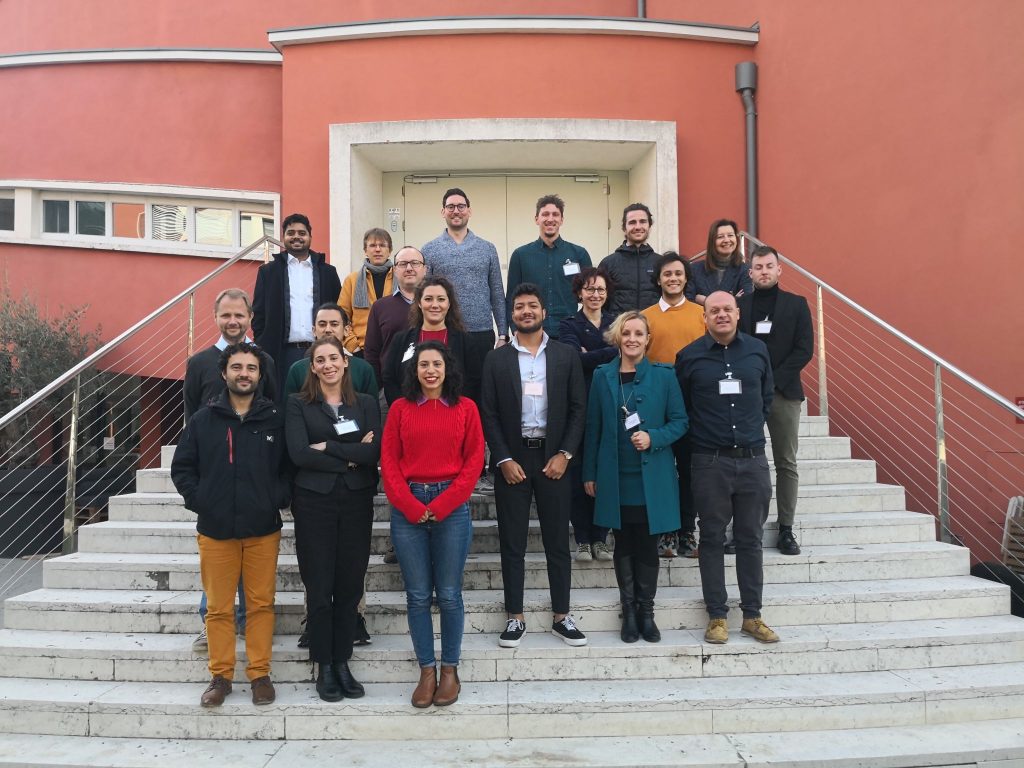
Main objectives of the CoolLIFE project:

  • Develop a tool for mapping and simulating space cooling demand at multiple spatial scales and time horizons.
  • Create a publicly accessible knowledge repository on space cooling technologies, user practices, policies, and financing mechanisms.
  • Promote passive, free, renewable energy sources (RES) powered, and nature-based space cooling solutions through scenario modelling and policy recommendations.
  • Engage stakeholders across levels to co-design, test, and disseminate solutions.

Project completion

100%
Year

2022 – 2025

What We Did

Within CoolLIFE, ABUD led the work package focusing on thermal comfort, lifestyle and user behavior, including:

  • Compilation and analysis of cooling efficiency behavioral strategies through policy interventions (top-down approach) and occupants’ lifestyle and behavioral interventions (bottom-up approach).
  • Quantification of the impacts of occupant behavior on the building energy performance through energy simulations, and integration of this module into the CoolLIFE tool.
  • Impact assessment (environmental, economic, and health-related) from the implementation of behavioral interventions.

Key Exploitable Results

An open-source, web-based GIS decision-support platform that allows planners and policymakers to map current and future space cooling demand across the EU27 at scales from 1-hectare grids to national level. It supports scenario modelling for 2030 and 2050, comparing the impacts of technologies, passive measures, user behavior, and climate change pathways on energy use and peak loads.

A structured, publicly accessible online repository hosting curated policies, datasets, technical resources, and best practices on sustainable space cooling. Designed according to FAIR data principles, it supports evidence-based policymaking by linking directly to the Tool and providing background knowledge for users’ analyses.

  • Behavioral Demand Models

Advanced modelling of occupant behavior scenarios (unconscious, mitigation, adaptation) showing that lifestyle changes and adaptive comfort practices can reduce annual cooling demand by up to 97–100% in some contexts. These results provide a strong basis for awareness campaigns, behavioral policies, and non-technical demand reduction strategies.

  • Technology and Passive Solution Taxonomy

A comprehensive classification of more than 35 alternative cooling technologies alongside passive and nature-based measures such as shading, ventilation, and reflective materials. This structured framework helps policymakers and designers compare options and prioritize low-energy, climate-resilient solutions.

  • Policy & Financing Databases

EU-wide mapping of legal frameworks and financial instruments relevant to space cooling, integrated into the Tool as searchable modules. These databases reveal policy gaps, highlight underfunded passive solutions, and support the design of targeted, performance-based, and equity-focused funding schemes.

  • Scenario Modelling Results

Quantitative evidence showing that a combined strategy of high-efficiency technologies and widespread passive measures could reduce projected 2050 cooling demand by around 80% compared to a business-as-usual pathway. These scenarios help authorities stress-test plans against future climate and demand uncertainties.

  • Case Study Methodologies

Tested planning and assessment approaches in Dublin, Bolzano, Naples, and at national level in Austria, demonstrating how the Tool can be adapted to different climates and governance contexts. The methodologies provide a transferable template for other cities to assess vulnerabilities, prioritize interventions, and design locally tailored cooling strategies.